

If you’ve ever brushed off sore feet as ‘just a busy week’ or ignored that sharp pain when you take your first steps in the morning, you’re not alone. Foot and leg discomfort often creeps in quietly, until it starts to slow you down.
Whether you’re chasing after kids, running laps, or standing all day at work, the pressure on your feet may start to take a toll. When they’re not working well, it affects your movement, balance, and confidence.
That’s where a podiatrist comes in. From assessing the way you walk to treating skin, nail, or nerve problems, podiatrists are trained to understand how small changes in your feet may affect your whole body.
At Capital Podiatry, we believe early care is the key to staying active and comfortable. But if you’ve never seen one before, you might also be wondering, what does a podiatrist do?
In this article, we’ll explore the warning signs you shouldn’t ignore and how a quick visit to a podiatrist may help protect your mobility and long-term foot health.
For personalised advice, contact our friendly team at Capital Podiatry today. With convenient clinic locations across Canberra, we’re here to support your foot health.
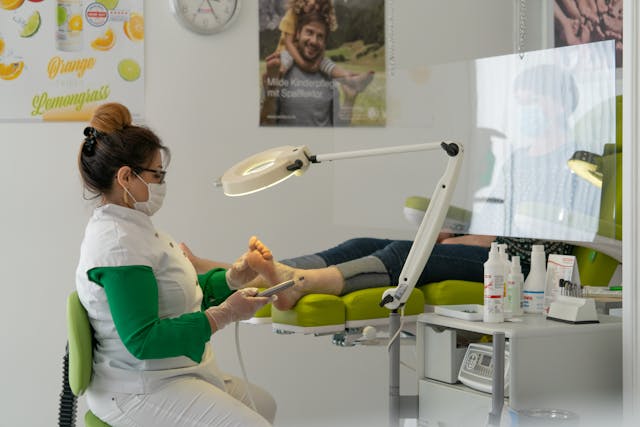
1. Persistent Heel or Arch Pain
If heel or arch pain lasts more than a few weeks, even with rest or new shoes, it may be time to see a podiatrist. This type of discomfort is often linked to issues such as plantar fasciitis, a very common condition that may affect anyone from athletes to people who spend long hours on their feet.
You might notice:
- Pain that’s sharpest first thing in the morning or after sitting
- Discomfort in the arches after long periods of standing or walking
- Increasing pain despite good footwear or stretching
Early podiatry assessment may help identify the cause and reduce the risk of ongoing pain or compensatory strain in your knees, hips, or back. At Capital Podiatry, we take a hands-on approach to diagnosing the underlying cause, helping you get back to comfortable movement sooner.
2. Ingrown or Infected Toenails
An ingrown toenail might seem minor at first, but if it becomes red, swollen, or painful, it may quickly lead to infection or ongoing discomfort. This is one of the most common reasons people visit a podiatrist, especially those who are active, wear tight footwear, or have naturally curved nails.
You might notice:
- Redness, swelling, or tenderness along the nail edge
- Fluid or discharge if infection develops
- Pain when wearing shoes or during everyday activity
3. Sudden Changes in Skin Colour or Temperature
If your feet look unusually pale, bluish, or feel persistently cold or warm, it may indicate changes in circulation, inflammation, or infection. These shifts are often easy to overlook but can be early signs of issues that benefit from podiatry assessment, particularly for people living with diabetes or vascular conditions.
You might notice:
- Cold or discoloured toes, even in warm weather
- Redness or warmth that lingers without a clear cause
- Shiny or thinning skin, especially around the ankles or toes
4. Numbness, Tingling, or Burning Sensations
A persistent ‘pins and needles’ feeling, burning, or numbness in your feet may point to changes in nerve function or circulation. While occasional tingling after sitting too long is normal, regular or worsening sensations may signal that something deeper is affecting your nerve health.
You might notice:
- Tingling or burning in the toes or soles, especially at night
- Reduced sensation when walking or standing
- Difficulty feeling temperature changes or small injuries
At Capital Podiatry, we assess sensation, circulation, and gait patterns. Identifying subtle nerve changes early may help protect long-term mobility and foot health.
5. Ongoing Corns, Calluses, or Cracked Heels
Rough, thickened, or cracked skin on the feet might seem like a cosmetic issue, but if it keeps coming back or becomes painful, it may point to pressure imbalances or poor footwear support. Over time, these areas may harden and lead to discomfort or even infection if the skin splits.
You might notice:
- Thick, rough patches that don’t improve with regular moisturising
- Cracks around the heels that are sore or bleed
- Pain when walking barefoot or in shoes
At Capital Podiatry, we use treatments that may include gentle debridement, footwear advice, and identifying any biomechanical factors contributing to the issue.
6. Pain in the Balls of Your Feet or Toes
Pain under the forefoot or around the toes may seem minor at first, often described as a dull ache, burning, or the feeling of walking on a pebble. However, persistent discomfort in this area may be linked to conditions such as metatarsalgia, bunions, or nerve compression between the toes (Morton’s neuroma).
You might notice:
- Aching or burning under the ball of the foot, especially when walking
- Pain that worsens in tight or high-heeled shoes
- Swelling or tingling between the toes
Forefoot pain is particularly common among people who wear narrow shoes, stand for long hours, or participate in high-impact activities. With early intervention, from footwear changes to orthotic support, you may find it easier to stay active and comfortable day to day.
7. Changes in Foot Shape or Arch Height
If your foot shape seems different, it may indicate a change in your foot’s structure or tendon strength. These gradual shifts are easy to miss but may lead to discomfort, joint strain, or difficulty finding supportive shoes.
You might notice:
- Flattening arches or ‘fallen’ feet over time
- Bunions or hammertoes are developing slowly
- Shoes fit differently due to swelling or alignment changes
Foot structure often changes with age, injury, or repetitive stress, and may affect balance or mobility if left unaddressed.
8. Balance Problems or Frequent Trips and Falls
If you’ve started noticing that you’re tripping more often or feeling less stable on your feet, it may be worth checking in with a podiatrist. Balance issues often stem from subtle changes in foot strength, sensation, or alignment.
You might notice:
- Feeling unsteady when walking, especially on uneven ground
- Needing support to stand for long periods
- Tripping over small obstacles or dragging your feet unintentionally
Foot and ankle weakness, nerve changes, or reduced joint mobility may all contribute. Addressing these issues early may help you feel more confident on your feet, both at home and when out and about.
9. Wounds or Ulcers That Take too Long to Recover
If a blister, cut, or sore on your foot hasn’t recovered within a couple of weeks, it’s important to have it checked by a podiatrist. Delayed recovery may suggest changes in circulation, nerve sensitivity, or skin integrity, particularly for people living with diabetes or vascular disease.
You might notice:
- Sores or blisters that remain open or painful
- Dry or shiny skin around a wound
- Reduced feeling in the area or slow recovery after minor injuries
Foot ulcers are more common than many realise. Without prompt care, these wounds may lead to infection or complications that affect mobility.
10. Foot or leg Pain After Exercise
It’s normal to feel some muscle fatigue after exercise. But pain that lingers, worsens, or keeps returning may be a sign that your feet or lower limbs are under excessive stress.
This discomfort might stem from issues such as poor biomechanics, training overload, or footwear that doesn’t properly support your activity.
You might notice:
- Sharp or aching pain after running, jumping, or long walks
- Localised soreness in the shins, arches, or ankles
- Recurring discomfort even after rest or stretching
Tailored guidance on recovery, stretching, and support options may help you keep moving comfortably and confidently. If you are experiencing any of these warning signs, it may be time to book your first podiatry appointment today.
Small Steps That may Keep Your Feet Healthy
Preventative podiatry isn’t only about avoiding pain; it’s about helping your feet stay strong, mobile, and ready for everything you do. Regular care and awareness may go a long way in maintaining foot health and preventing common issues from developing.
Everyday Tips for Healthier Feet
- Choose Supportive Shoes: Look for cushioning, a firm heel counter, and arch support that suits your foot type.
- Stretch and Strengthen: Simple daily exercises, like toe curls or calf stretches, may improve flexibility and stability.
- Check Your Feet Regularly: Notice any colour changes, swelling, or new calluses early.
- Replace Worn Footwear: Old shoes may alter your gait and contribute to strain or pain.
When not to Delay Seeing a Podiatrist
Even if symptoms seem minor, it’s worth booking an assessment if you:
- Have persistent pain or discomfort lasting more than two weeks
- Notice changes in sensation, balance, or the shape of your feet
- Live with diabetes or circulation issues, where early checks may prevent complications
- Are on your feet all day or involved in sports that strain your lower limbs
A quick consultation may help uncover issues before they progress, and sometimes, reassurance and guidance are all you need.
At Capital Podiatry, we believe in proactive, evidence-based care. Whether you’re managing early signs of discomfort or simply want to stay ahead of potential problems, our team is here to help you move comfortably and confidently every day.
When in Doubt, Book a Check-Up
You don’t have to wait until foot pain stops you in your tracks; early attention may make all the difference. Seeing a podiatrist when symptoms first appear is often the best way to stay active, independent, and confident on your feet.
At Capital Podiatry, our approach is proactive, not reactive. We take the time to understand how your feet move, what your day involves, and what may help keep you comfortable in the long run.
Whether you’re managing early warning signs or simply want peace of mind, we’re here to support you every step of the way.
If any of these signs sound familiar, don’t wait for it to get worse. Book an appointment today and take the first step toward healthier, happier feet.
